Antigone against the State: law, gender and resistance
DOI:
https://doi.org/10.1590/1982-0259.2025.e108984Keywords:
Antigone, laws, gender, natural Law, positive lawAbstract
This article aims to discuss, in light of the work The Clamor of Antigone: Kinship between Life and Death by Judith Butler, the multiple possibilities of interpreting this work and, in particular, the representation of Antigone as a figure who challenges the State and its laws, personified in Creon, while simultaneously asserting essential rights that, though fundamental, are not guaranteed. The proposed analysis also seeks to situate the discussion within a gender context, exemplifying, in contemporary terms, the figure of Maria da Penha Maia Fernandes — a name associated with the Maria da Penha Law, which establishes mechanisms to combat domestic and family violence against women. The comparison between Maria da Penha’s political stance and Antigone’s, both situated within a context of resistance, is explored in an attempt to reveal the similarities between the Greek tragedy and current social struggles.
References
ARISTÓTELES. Poética. Tradução de Lourdes Santos Machado. São Paulo: Nova Cultural, 1999. (Coleção Os Pensadores)
BEAUVOIR, S. de. O segundo sexo: fatos e mitos. 4. ed. Rio de Janeiro: Nova Fronteira, 1970.
BRASIL. Lei nº 11.340, de 7 de agosto de 2006. Cria mecanismos para coibir a violência doméstica e familiar contra a mulher, nos termos do § 8º do art. 226 da Constituição Federal, da Convenção sobre a Eliminação de Todas as Formas de Discriminação contra as Mulheres e da Convenção Interamericana para Prevenir, Punir e Erradicar a Violência contra a Mulher; dispõe sobre a criação dos Juizados de Violência Doméstica e Familiar contra a Mulher; altera os Decretos-Lei nºs 3.689, de 3 de outubro de 1941 (Código de Processo Penal), e 2.848, de 7 de dezembro de 1940 (Código Penal), e a Lei nº 7.210, de 11 de julho de 1984 (Lei de Execução Penal); e dá outras providências (Lei Maria da Penha). (Redação dada pela Lei nº 15.212, de 2025). Disponível em: https://www.planalto.gov.br/ccivil_03/_ato2004-2006/2006/lei/l11340.htm. Acesso em: 10 nov. 2025.
BRASIL. Secretaria Especial de Políticas para as Mulheres. Política nacional de enfrentamento à violência contra as mulheres. Brasília: SPM, 2007.
BUTLER, J. O clamor de Antígona: parentesco entre a vida e a morte. Florianópolis: Editora da UFSC, 2014.
CAMPOS, A. C. Ipea: Lei Maria da Penha reduziu violência doméstica contra mulheres. Agência Brasil, 04 mar. 2015. Disponível em: http://agenciabrasil.ebc.com.br/direitos-humanos/noticia/2015-03/ipea-lei-maria-da-penha-reduziu-homicidios-de-mulheres-dentro-de. Acesso em: 7 jul. 2024.
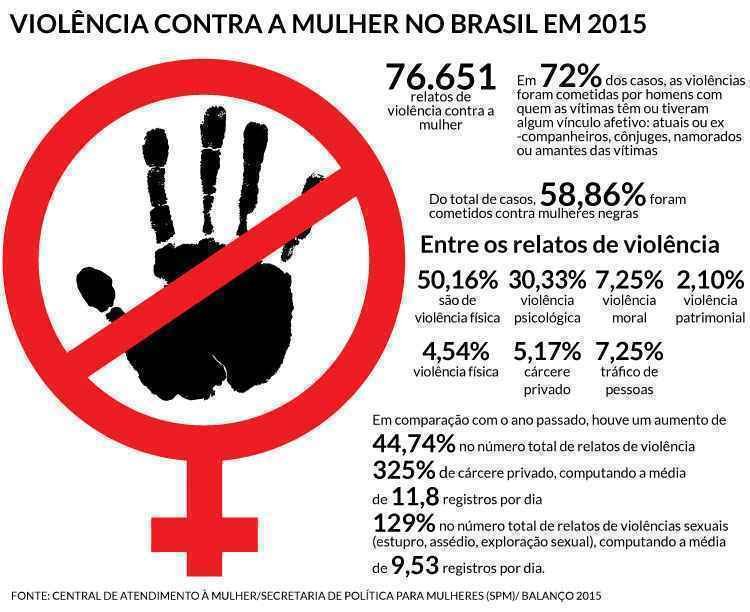
CENTRAL DE ATENDIMENTO À MULHER. Disponível em: http://imgsapp.em.com.br/app/noticia_127983242361/2016/07/02/779272/20160702073032205711o.jpg. Acesso em: 8 jul. 2024.
COMPROMISSO E ATITUDE. O caso Maria da Penha na OEA. 2024. Disponível em: http://www.compromissoeatitude.org.br/o-caso-maria-da-penha-na-oea/. Acesso em: 7 jul. 2024.
FERNANDES, M. da P. M. Quem somos: Maria da Penha. Disponível em: http://www.mariadapenha.org.br/index.php/quemsomos/maria-da-penha. Acesso em: 7 jul. 2024.
HAUSER, A. História da arte e da literatura. São Paulo: Mestre Jou, 1990.
HEGEL, G. W. F. A razão na história: uma introdução geral à filosofia da história. São Paulo: Centauro, 2001.
HEGEL, G. W. F. Princípios da filosofia do direito. Lisboa: Guimarães; São Paulo: Martins Fontes, 1976.
HOOKS, bell. O feminismo é para todo mundo: políticas arrebatadoras. 2. ed. Rio de Janeiro: Rosa dos Tempos, 2019.
INSTITUTO MARIA DA PENHA (IMP). Quem é Maria da Penha? Disponível em: http://www.mariadapenha.org.br/index.php/quemsomos/maria-da-penha. Acesso em: 8 jul. 2024.
INSTITUTO DE PESQUISA ECONÔMICA APLICADA; FÓRUM BRASILEIRO DE SEGURANÇA PÚBLICA. Atlas da violência 2024. Brasília: IPEA; FBSP, 2024. Disponível em: https://www.ipea.gov.br/atlasviolencia/arquivos/artigos/4600-atlasviolencia2024.pdf. Acesso em: 7 jul. 2024.
PANDELO, I. Moção de repúdio aos dispositivos do projeto de lei do Senado nº 156/2009. Assembleia Legislativa do Estado do Rio de Janeiro, 2009. Disponível em: http://alerjln1.alerj.rj.gov.br/scpro0711.nsf/2dc93e0802af5c1683256cee006c3d79/83c82032f391007e83257678006455da?OpenDocument. Acesso em: 11 jul. 2024.
SAFFIOTI, H. I. B. Gênero, patriarcado, violência. São Paulo: Fundação Perseu Abramo, 2004.
SEGATO, R. L. Contra-pedagogias da crueldade. São Paulo: Boitempo, 2018.
SÓFOCLES. Antígona. Porto Alegre: L&PM, 1999.
SÓFOCLES. A trilogia tebana. Tradução de Mário da Gama Kury. Rio de Janeiro: Jorge Zahar, 2006.
Downloads
Published
Issue
Section
License
Copyrights for articles published in this journal are the author's, with first publication rights for the journal. Due to appearing in this Public Access Magazine, the articles are free to use, with their own attributions, in educational, professional and public management applications. The Magazine adopted the Creative Commons Attribution-NonCommercial 4.0 International License. This license allows you to copy, distribute and reproduce in any medium, as well as adapt, transform and create from this material, provided that for non-commercial purposes and that due credit is given to the authors and the source, a link to the Creative License is inserted. Commons and whether changes have been made. In such cases, no permission is required from the authors or editors. Authors are authorized to assume additional contracts separately, for non-exclusive distribution of the version of the work published in this journal (eg, publishing in institutional repository or a book chapter).