
Dos movimentos aos partidos: a sociedade organizada e a política formal
DOI:
https://doi.org/10.5007/%25xResumo
O objetivo do artigo é provocar uma discussão sobre o acesso da sociedade organizada à política formal, utilizando para esse exercício o segmento das mulheres. A nosso ver, não é suficiente sabermos o quanto o associativismo vem transformando a sociedade e a cultura política brasileira em níveis jamais vivenciados em nossa história política. Outro objetivo é avaliar se estamos construindo a ponte entre os movimentos e a política formal, procurando saber qual o impacto do associativismo sobre as instituições e processos decisórios. Longe de pretendermos reduzir a diversidade dos segmentos sociais brasileiros excluídos da política ao das mulheres, poderemos utilizá-lo como um exemplo material do problema da participação da sociedade civil e de seus reflexos sobre a representação. Para tanto, utilizamos argumentos empíricos, com base em dados agregados e depoimentos colhidos por meio de entrevistas com lideranças feministas do país.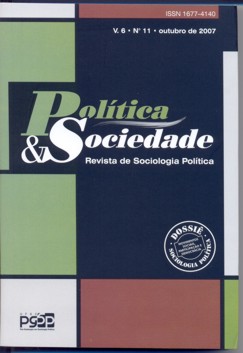
Downloads
Publicado
Edição
Seção
Licença
Os autores retêm os direitos autorais e direitos de publicação sobre suas obras, sem restrições.
Ao submeterem seus trabalhos, os autores concedem à Revista Política & Sociedade o direito exclusivo de primeira publicação, com o trabalho simultaneamente licenciado sob a Licença Creative Commons Attribution (CC BY) 4.0 International. Essa licença permite que terceiros remixem, adaptem e criem a partir do trabalho publicado, desde que seja dado o devido crédito de autoria e à publicação original neste periódico.
Os autores também têm permissão para firmar contratos adicionais, separadamente, para distribuição não exclusiva da versão publicada do trabalho neste periódico (por exemplo: depositar em repositório institucional, disponibilizar em site pessoal, publicar traduções ou incluí-lo como capítulo de livro), desde que com reconhecimento da autoria e da publicação inicial na Revista Política & Sociedade.

