A estratégia multimarcas como um fator de inovação em revenda de veículos novos
DOI:
https://doi.org/10.5007/%25xResumo
A estrutura do canal de distribuição de veículos automotores no Brasil permanece estável desde sua origem. As concessionárias que representam somente uma marca atuam em áreas exclusivas e são responsáveis por venderem veículos novos, prestarem assistência técnica e revenderem peças originais. Este estudo - o caso de uma concessionária inovadora – que atua de forma consolidada com a representação de três marcas diferentes no mesmo local, demonstra como as concessionárias brasileiras podem se adaptar às regras semelhantes às adotadas na Europa em 2002, quando foi permitido às concessionárias representarem mais de uma marca e optarem por possuir as operações de vendas e/ou assistência técnica no local de sua escolha. O modelo praticado pela concessionária estudada se mostrou viável em razão de suas particularidades porque representa três marcas ao mesmo tempo. Para a implementação, por outros grupos no País, desse mesmo modelo, seria necessário ocorrer situação semelhante à encontrada pelo grupo United Auto, ou mudar a legislação no Brasil.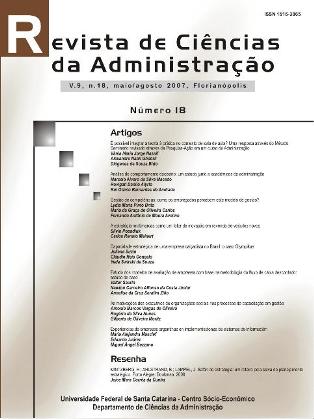
Downloads
Publicado
Como Citar
Edição
Seção
Licença
O autor deve garantir:
- que haja um consenso completo de todos os coautores em aprovar a versão final do documento e sua submissão para publicação.
- que seu trabalho é original, e se o trabalho e/ou palavras de outras pessoas foram utilizados, estas foram devidamente reconhecidas.
Plágio em todas as suas formas constituem um comportamento antiético de publicação e é inaceitável. RCA reserva-se o direito de usar software ou quaisquer outros métodos de detecção de plágio.
Todas as submissões recebidas para avaliação na revista RCA passam por identificação de plágio e autoplágio. Plágios identificados em manuscritos durante o processo de avaliação acarretarão no arquivamento da submissão. No caso de identificação de plágio em um manuscrito publicado na revista, o Editor Chefe conduzirá uma investigação preliminar e, caso necessário, fará a retratação.
Os autores cedem à RCA os direitos exclusivos de primeira publicação, com o trabalho simultaneamente licenciado sob a Licença Creative Commons (CC BY) 4.0 Internacional.

Os autores têm autorização para assumir contratos adicionais separadamente, para distribuição não exclusiva da versão do trabalho publicada neste periódico (ex.: publicar em repositório institucional, em site pessoal, publicar uma tradução, ou como capítulo de livro), com reconhecimento de autoria e publicação inicial neste periódico.
Esta licença permite que qualquer usuário tenha direito de:
Compartilhar – copiar, baixar, imprimir ou redistribuir o material em qualquer suporte ou formato.
Adaptar – remixar, transformar e criar a partir do material para qualquer fim, mesmo que comercial.
De acordo com os seguintes termos:
Atribuição – Você deve dar o crédito apropriado (citar e referenciar), prover um link para a licença e indicar se mudanças foram feitas. Você deve fazê-lo em qualquer circunstância razoável, mas de maneira alguma que sugira ao licenciante apoiar você ou o seu uso.
Sem restrições adicionais – Você não pode aplicar termos jurídicos ou medidas de caráter tecnológico que restrinjam legalmente outros de fazerem algo que a licença permita.